

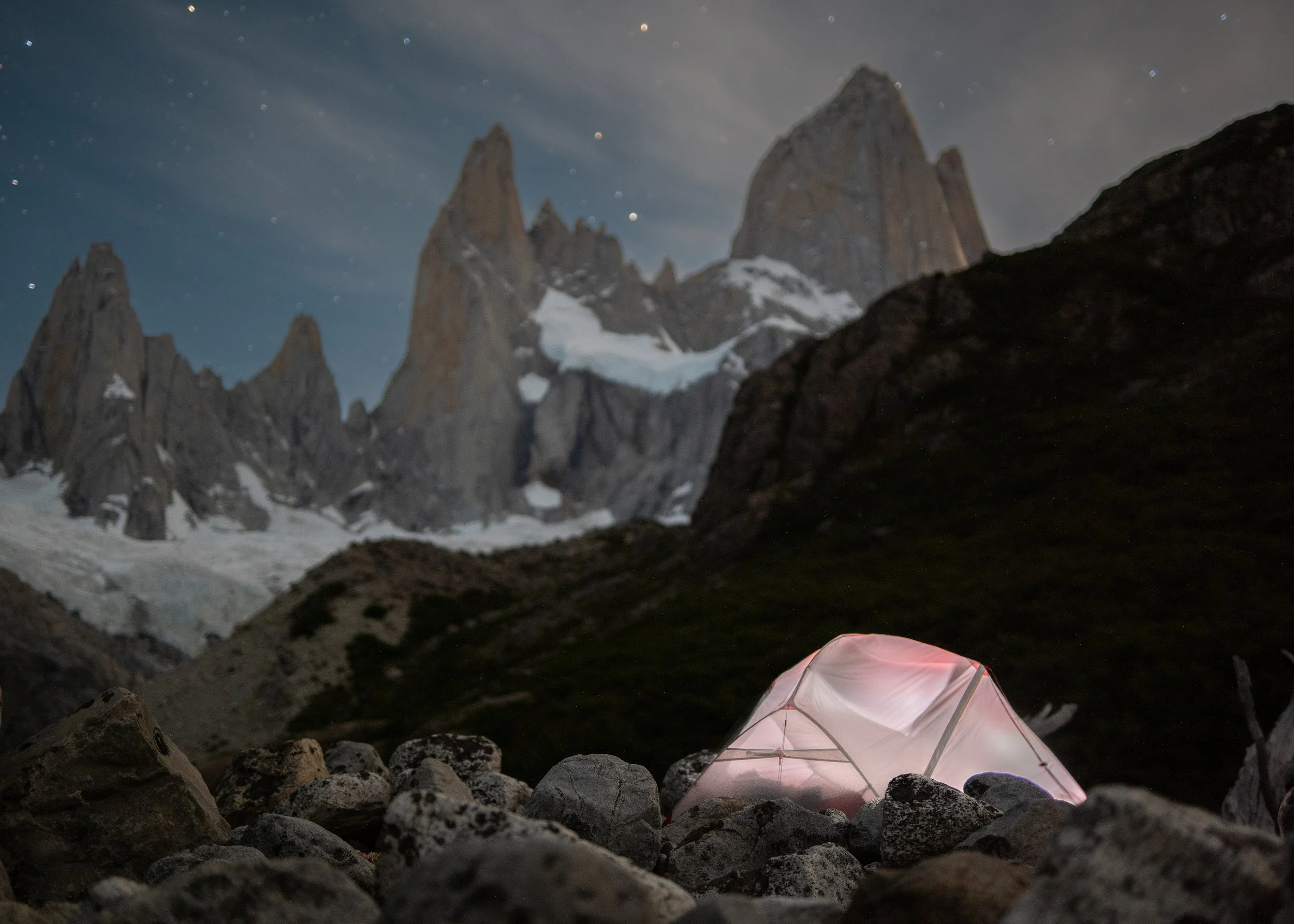
Tell your Story.
The Story LAB for Geographers and Explorers was a practical RGS session led by Huw James, designed to help expedition teams turn fieldwork into clear, purposeful stories.
The session explored how to find a strong story angle, define an audience, shape a narrative arc, and plan the photography, film, interviews, sounds, and field notes needed to tell that story well.
The focus was simple: not just collecting material in the field, but collecting the right material so an expedition story can travel beyond the expedition itself.

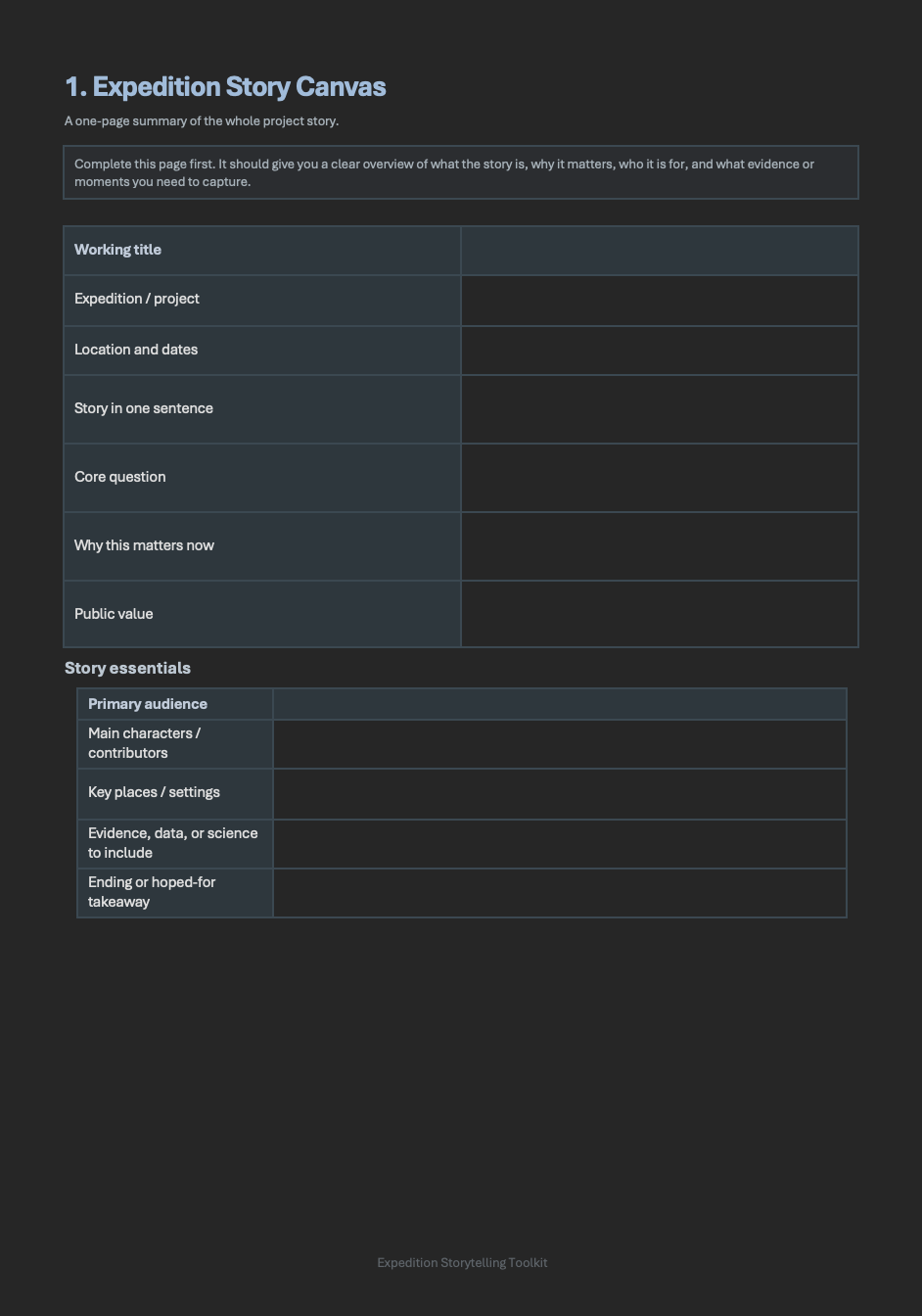
Worksheets.
Download the Worksheets here:
Top things to remember from The Story LAB
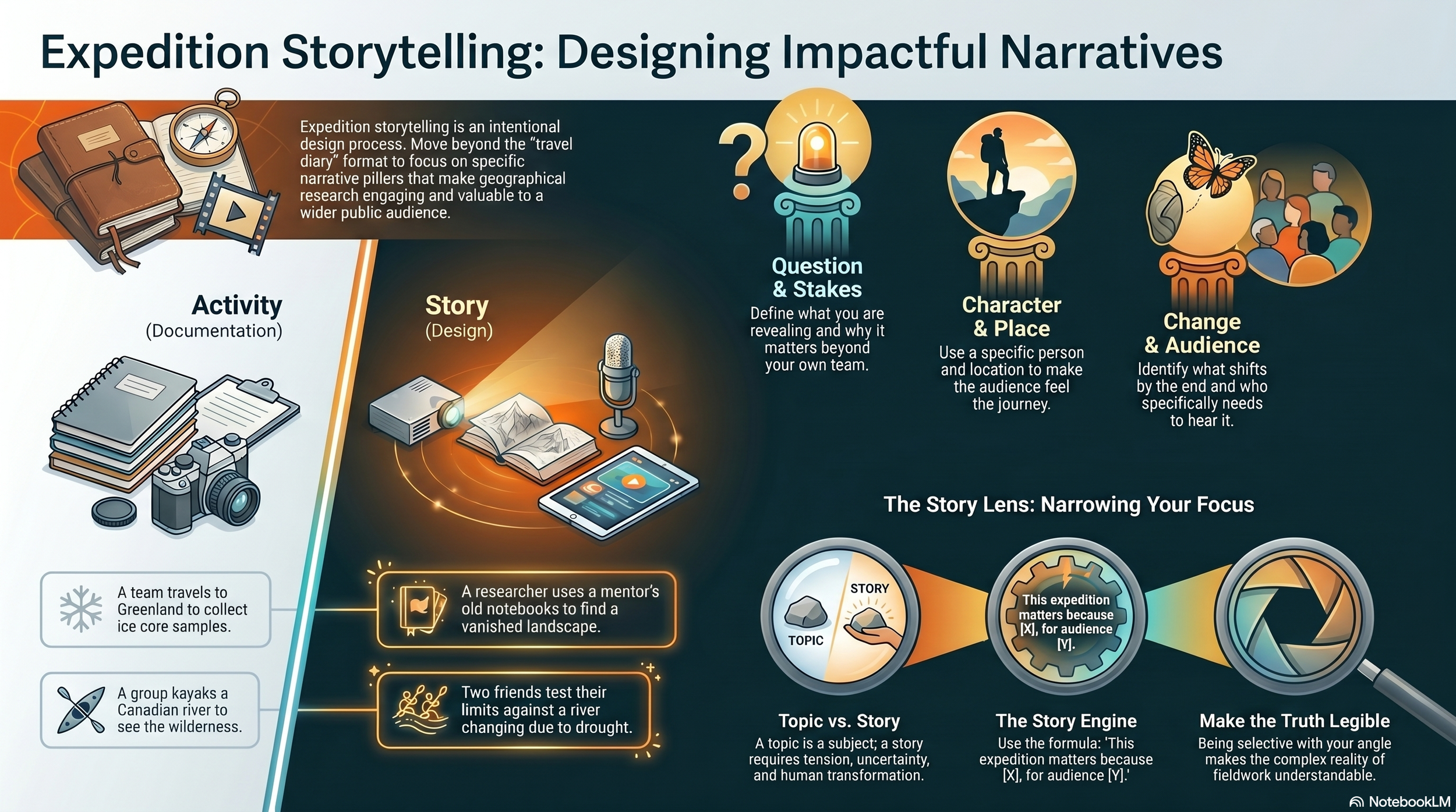
A strong expedition story is not just a record of where you went or what you did. It needs a clear question, a reason to care, a strong sense of place, and someone or something that helps the audience feel the story.
Do not try to tell everything. Choose a clear angle. The strongest stories are often selective. They help the audience understand the work through one focused lens.
Know who the story is for. A school group, journalist, funder, policymaker, local community, or general audience will all need a slightly different route into the same story.
Plan before you leave. Good field storytelling starts before the expedition, not afterwards. The clearer your story plan is, the easier your decisions become when you are tired, rushed, wet, or working in difficult conditions.
Capture the right material, not just more material. Think about the images, scenes, interviews, sounds, details, and moments that your story depends on.
Build sequences, not just single shots. A useful photo or film sequence might include place, people, action, process, detail, evidence, and reflection.
Interviews should bring meaning, not just facts. Ask about moments, decisions, surprises, challenges, changes in understanding, and what people hope the expedition leaves behind.
Sound matters. Record natural sounds, voices, atmosphere, wind, water, footsteps, tools, camp sounds, and quiet moments. Good sound can make a story feel alive.
Think ethically. Consent, context, representation, and sensitivity matter. A strong image can still be the wrong image if it is made or used badly.
Back up, label, and log your material every day. Note your best images, clips, sounds, and quotes while they are fresh. Future-you will be very grateful.
The expedition is not the end of the story. It is the beginning of what you can make from it: a film, photo essay, article, talk, school resource, social post, funder update, or public campaign.
Changing Peoples Minds
